
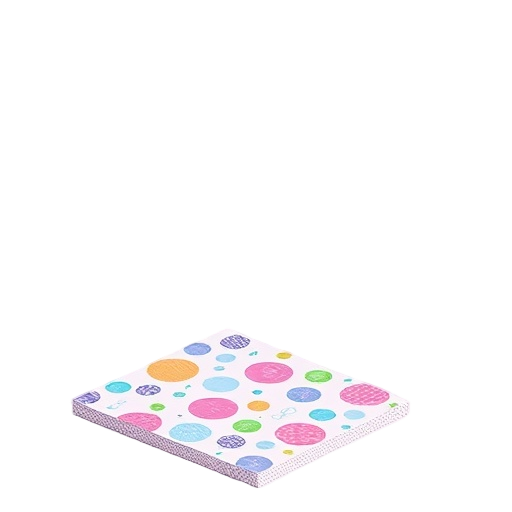
Pattern Paper
Pattern paper in art supplies refers to decorative patterned sheets used for scrapbooking, card making, and other crafts.
Fun Fact
Ebenezer Butterick created the first graded sewing pattern in 1863, revolutionizing home dressmaking.
Price History
The Deep-Dive
Pattern Paper
Pattern paper in art supplies refers to decorative patterned sheets used for scrapbooking, card making, and other crafts.
Fun fact: Ebenezer Butterick created the first graded sewing pattern in 1863, revolutionizing home dressmaking.
There is no distinct global market or historical price data for a specific product called "Pattern Paper" as a standalone commodity; instead, the term refers to functional categories of paper used in fashion design (such as patent paper, tracing paper, pattern tissue, or oak tag) whose value is derived from their utility in the sewing and architecture industries, typically costing $0.50 to $3.00 per yard depending on the type and brand .
1. Current Estimated Value and Why
The "value" of pattern-making paper is not a speculative asset price but a consumable utility cost.- Standard Tracing/Pattern Tissue: Costs approximately $0.50 per yard (roughly 50 cents) and is considered "economical" for disposable pattern tracing .
- Oak Tag (Heavyweight Pattern Paper): Costs about $0.90 per yard (rising to $1.50 per yard with shipping) and is valued for its durability in creating "slopers" (master patterns) in the fashion industry .
- Premium/Cardboard Pattern Paper: Can cost up to $3.00 per yard and is considered "costly" but necessary for high-end, long-lasting patterns .
- Why: The price is driven entirely by material weight, opacity, and durability. Heavy oils or waxes used in "tracing paper" increase transparency (opacity) for better visibility, while thicker oak tag increases lifespan for repeated use . The global market for related tracing paper (a key component of pattern making) is valued at $493.44 million globally (2025) and $1.42 billion (2025), growing at a CAGR of 2.4%–4.9% due to demand in architecture and fashion .
2. Historical Price Trends / Notable Sales
- No Speculative Sales: Pattern paper is not an investment asset like art or rare coins; therefore, there are no "notable sales" or auction records for vintage pattern paper as a standalone item.
- Steady Consumable Growth: The historical trend for tracing paper (the primary material for pattern making) shows a steady, low-volatility increase. The US tracing paper market grew from $100.0 million (2024) to a projected $135.0 million (2035) .
- Global Expansion: The global tracing paper market is projected to reach $621.46 million by 2035, fueled by the surge in "sustainable packaging" and "eco-conscious materials" which often utilize pattern-making techniques .
- Cost Variance: Historically, the price gap between "economical" tissue and "costly" heavy oak tag has remained consistent, with the heavy variant consistently costing ~6x more per yard than the light tissue .
3. What Makes It Valuable (Rarity, Demand, Cultural Significance)
- Demand: The primary driver is the fashion industry's need for precision. Pattern paper is essential for creating "slopers" (master templates) that designers use to create custom clothing . It is also critical in architecture and design for drafting blueprints and tracing .
- Rarity: Standard pattern paper is not rare; it is a mass-produced industrial commodity. However, specific types like high-transparency tracing paper or heavy-duty oak tag are valued for their specific physical properties (opacity and flexibility) rather than scarcity .
- Cultural Significance: Pattern paper is the foundation of DIY fashion and home sewing. It represents the transition from digital design to physical fabric, allowing sewers to "trace off" digital patterns onto physical paper for cutting . The "awkwardness" of commercial pattern paper (often criticized for being thin or hard to work with) has led to a cultural preference among hobbyists for sourcing their own art-store tracing paper .
- Key Qualities: Value is determined by Opacity (transparency to see details), Flexibility (ability to adjust without tearing), and Durability (resistance to wear when used as a master pattern) .
4. 3-4 Surprising or Fun Facts
1. The "Oak Tag" Origin: The heavy paper used for master patterns is called "Oak Tag" (or tag board), named for its strength and similarity to the durable tags once used on shipping crates, not because it is made of oak wood . 2. DIY vs. Commercial: Many professional sewers and hobbyists avoid commercial pattern paper found in sewing kits, criticizing it as "awful" and instead buy tracing paper from art supply stores to trace patterns, believing it is superior for precision . 3. Width Standards: Heavy oak tag is often sold in massive 48-inch wide rolls for industrial use, but can also be purchased in smaller 18x24 inch sheets for home sewers, making it versatile for different scales of work . 4. The "Sloper" Secret: In the fashion industry, the heavy paper is specifically used to make "slopers" (basic master blocks like a plain sleeve or bodice), which are then modified to create complex designs, making this paper the "DNA" of custom clothing .5. What Affects Its Price (Condition, Provenance, Market Trends)
- Condition (Weight/Thickness): The price is directly linked to the weight (thickness) of the paper. Heavier, thicker paper (like oak tag) commands a higher price ($0.90–$1.50/yard) than lightweight tissue ($0.50/yard) due to material costs .
- Provenance (Brand/Source): While not a "provenance" in the art sense, the source affects price. Buying from art supply stores (often preferred for quality) may differ in price from bulk sewing suppliers. Bulk rolls (e.g., one roll costing $21 USD) are cheaper per unit than sheet purchases .
- Market Trends: The price is influenced by the global demand for eco-conscious materials and sustainable packaging, which has increased the market for tracing paper and related pattern-making materials .
- Logistics: Shipping costs significantly impact the final price; for example, oak tag can jump from $0.90/yard to $1.50/yard once shipping is included .
6. Any Notable Stories or Controversies
- The "Commercial Paper is Awful" Debate: A notable ongoing "controversy" exists in the sewing community (r/sewing) where users express frustration that commercial pattern paper is inadequate. This has led to a widespread trend of rerouting to art supply stores for tracing paper, creating a mini-culture of "hackers" who bypass traditional sewing supplies .
- Sustainable Packaging Shift: The industry is currently pivoting due to the surge in sustainable packaging and eco-conscious materials, which are driving growth in the tracing paper market and influencing the types of paper used for pattern making to be more environmentally friendly .
- Cost Criticism: There is a persistent complaint among sewers that premium pattern paper is "costly" (up to $3/yard), making it a barrier for hobbyists who prefer cheaper alternatives, sparking debates about the fair pricing of professional tools .
More in Art & Collectibles

Da Vinci Salvator Mundi
Attributed oil painting of Christ holding a crystal orb, sold for record price in 2017.

Pablo Picasso's 'Les Femmes d'Alger'
A cubist masterpiece from 1955 depicting an odalisque scene in Picasso's characteristic style.

Rembrandt 'Self-Portrait with Two Circles'
17th-century oil painting where the Dutch master depicted himself in contemplative pose.

Golden Toilet by Maurizio Cattelan
A fully functional solid gold toilet sculpture titled 'America,' exhibited as contemporary art.