Cake Pan

Cake Pan

$18

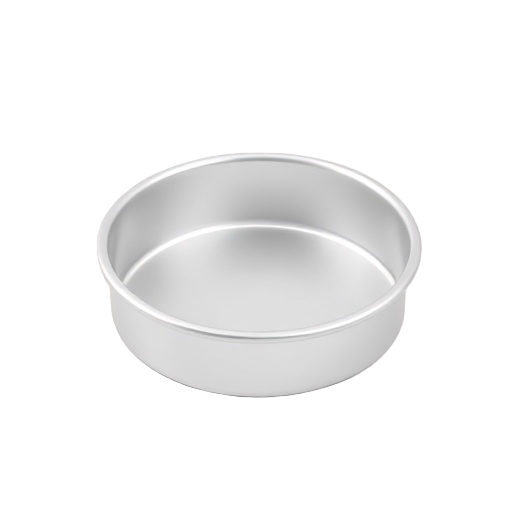
A cake pan is a standard kitchenware item used for baking cakes, typically round or rectangular in aluminum or nonstick material.

Estimated value as of 2026 · Source: https://www.asinsight.com/report/US/cookie-cake-pan

Fun Fact

Basic round cake pans from brands like Wilton often come in sets of 2 for around $15, making the per-pan cost under $10.

Share on X

Price History

1880$0.391900$1251950$181960$402020$502026$18

The Deep-Dive

What's a Cake Pan Worth?

Estimated value: $18

A cake pan is a standard kitchenware item used for baking cakes, typically round or rectangular in aluminum or nonstick material.

Fun fact: Basic round cake pans from brands like Wilton often come in sets of 2 for around $15, making the per-pan cost under $10.

If you mean a physical cake pan rather than the crypto token “CAKE,” a typical vintage or collectible cake pan is usually worth about $10–$30, which makes the $18 estimate plausible for an average example in used but decent condition. More desirable branded, retired, or character-themed pans can sell for $100+, while ordinary modern pans often cost much less on the retail market.

  • Current estimated value: about $18 for a common collectible cake pan in average condition, because comparable vintage pans are regularly found in the $10–$30 range and only the scarcer, more sought-after examples command higher prices.
  • Why that value makes sense: the market is strongest for vintage and retired pans, especially those tied to popular brands like Wilton or to recognizable character shapes, which pushes prices above what a plain utility pan would fetch.
  • Broader market context: the general cake pan market is large and growing, but that mostly reflects new kitchenware demand rather than collectible resale value; one market report estimates the cake pans market at USD 1.5 billion in 2024, rising to USD 2.3 billion by 2033.
Historical price patterns for collectible cake pans show a very wide spread: common pans often sold for a dollar or two at yard sales and now regularly resell for $10–$30 or more, while especially desirable pans can exceed $100. A hobbyist value list also shows that themed pans can reach much higher levels, such as Mickey and Minnie Mouse at $200–$300 for the lot, Boba Fett at $80–$100, and Winnie-the-Pooh or Mario around $70.

What makes a cake pan valuable is usually a combination of:

  • Rarity: retired molds and discontinued shapes are harder to find, which increases collector interest.
  • Demand: nostalgia-driven demand is strong for licensed characters, holiday shapes, and novelty designs.
  • Brand recognition: names such as Wilton, Nordic Ware, and other collectible makers are repeatedly cited as desirable in the vintage market.
  • Condition: clean, intact pans with minimal rust, warping, or coating loss tend to bring better prices than damaged examples; this is also consistent with general baking-pan buying guidance that emphasizes durability and finish quality.
  • Practical appeal: some buyers collect them to bake from, not just display them, so usable pans with good release properties and sturdy construction can still sell well.
A few surprising or fun facts:
  • Some vintage cake pans that were once bargain-bin items now “regularly sell for $10 to $30 or more,” showing how nostalgia can transform an ordinary kitchen tool into a collectible.
  • Certain novelty or character pans can be worth far more than their baking function suggests; one value list places Mickey and Minnie Mouse pan lots at $200–$300.
  • Collectors often pursue pans for *display value* as much as utility, especially retired holiday or cartoon designs, which explains why some examples outperform newer, better-made pans.
  • The modern consumer market still prizes features like non-stick coatings, warped-resistance, and specialty shapes, which means a pan can be valuable both as a collectible and as a high-quality tool.
Several factors affect price:
  • Condition: rust, dents, missing parts, or worn non-stick surfaces reduce value; clean, complete pans do better.
  • Provenance: documented origin, original packaging, or confirmation that a pan is a retired or limited-run design can raise interest and price.
  • Market trends: nostalgia cycles matter; the source notes that kitchen collectibles tend to peak seasonally, which can temporarily lift prices.
  • Material and build quality: heavier-gauge, warp-resistant pans with better release performance are more desirable for bakers, even outside the collector market.
  • Scarcity of the design: unusual shapes, licensed characters, and discontinued molds typically outperform plain round or square pans.
Notable stories or controversies are limited for the generic “cake pan” category, but there is one recurring tension in the market: collectors sometimes pay premium prices for pans that are more valuable as nostalgia objects than as baking tools, while practical buyers focus on performance features like non-stick coatings and durability. That divide helps explain why the same item can be seen as a $18 everyday collectible by one buyer and a $100+ trophy piece by another.

If you want, I can also turn this into a collector-style valuation guide for a specific cake pan type, such as Wilton character pans, Bundt pans, or vintage metal pans.

More in Everyday